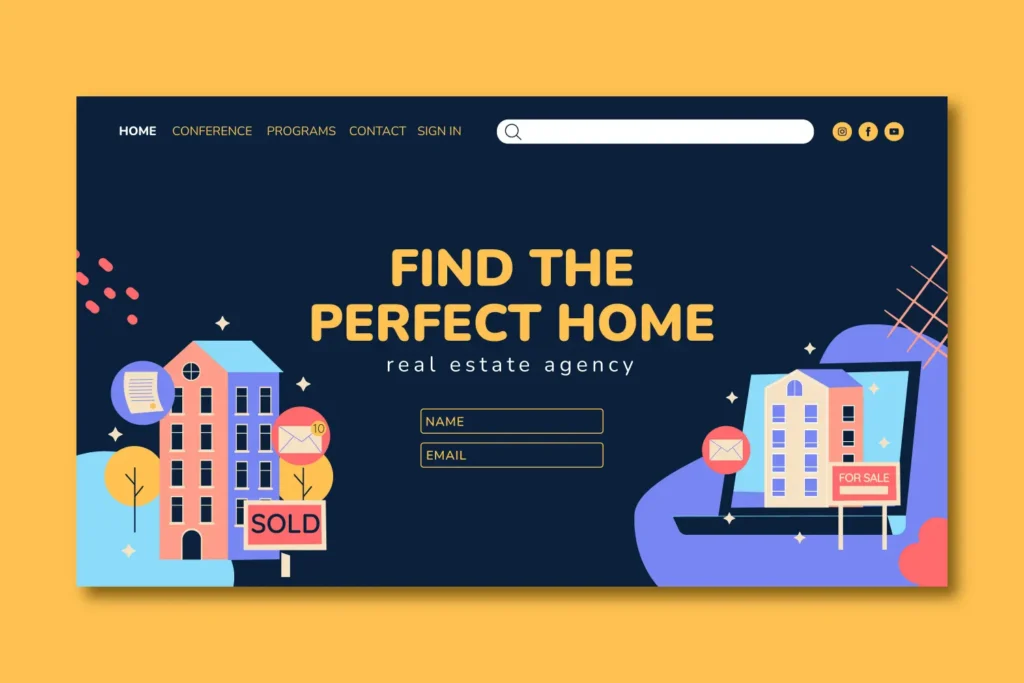
In the digital age, a well-designed and optimized real estate website is crucial for the success of any real estate business. Your website serves as the virtual storefront, showcasing your listings, expertise, and brand to potential clients. To ensure your real estate website stands out and effectively attracts and engages your target audience, it should incorporate the following key features:
1. Intuitive Property Search
The heart of any real estate website is the property search functionality. Ensure your website offers an intuitive and user-friendly search experience, allowing visitors to easily browse and filter listings by criteria such as location, price range, number of bedrooms/bathrooms, and property type. Implement advanced search options, such as the ability to save searches and receive alerts for new matching listings.
2. Responsive and Mobile-Friendly Design
In today’s mobile-centric world, your website must be optimized for seamless viewing and navigation on a variety of devices, from desktops to smartphones. A responsive design that automatically adjusts the layout and content to the user’s screen size will provide an exceptional experience for visitors, regardless of how they access your website.
3. Engaging Visual Content
Captivating visual elements are essential for showcasing your real estate listings and attracting potential buyers. Incorporate high-quality, professional-grade photos and videos of your properties, as well as virtual tours and 3D walkthroughs when possible. These visual aids will help prospective clients envision themselves in the space and drive increased engagement.
4. Informative and SEO-Optimized Content
Your website should serve as a valuable resource for your target audience, providing them with relevant and informative content. This can include blog posts covering local market trends, neighborhood guides, home-buying/selling tips, and agent profiles. Ensure this content is optimized for search engines, using relevant keywords and meta tags to improve your website’s visibility in search results.
5. Prominent Calls-to-Action
Strategically place clear and compelling calls-to-action (CTAs) throughout your website, encouraging visitors to take the next step in their real estate journey. This could include CTAs to schedule a consultation, request a property showing, or sign up for your email newsletter. By guiding your visitors towards these desired actions, you can effectively convert them into leads and clients.
By incorporating these key features into your real estate website, you’ll create a powerful online presence that not only showcases your listings and expertise but also provides an exceptional user experience that drives engagement, leads, and ultimately, business growth.